April 2, 2026
Tree trimming is not just a matter of aesthetics; it is a crucial maintenance task that ensures safety and health for your landscape, property, and family. Overgrown branches not only present visible risks but can also lead to numerous unseen dangers. This article explores the various safety risks associated with delaying this critical task.
The significance of regular tree trimming is often underestimated by property owners. Regular maintenance every 3 to 5 years, according to Lawn Love, can prevent a host of problems. Failing to adhere to such a schedule can result in expensive and dangerous consequences.
Understanding the impact of neglecting tree care is essential for homeowners and property managers alike. It extends beyond simple visual appeal to real-world implications on safety and environmental health. In the following sections, we will delve into these risks in detail.
1. Increasing the Risk of Property Damage
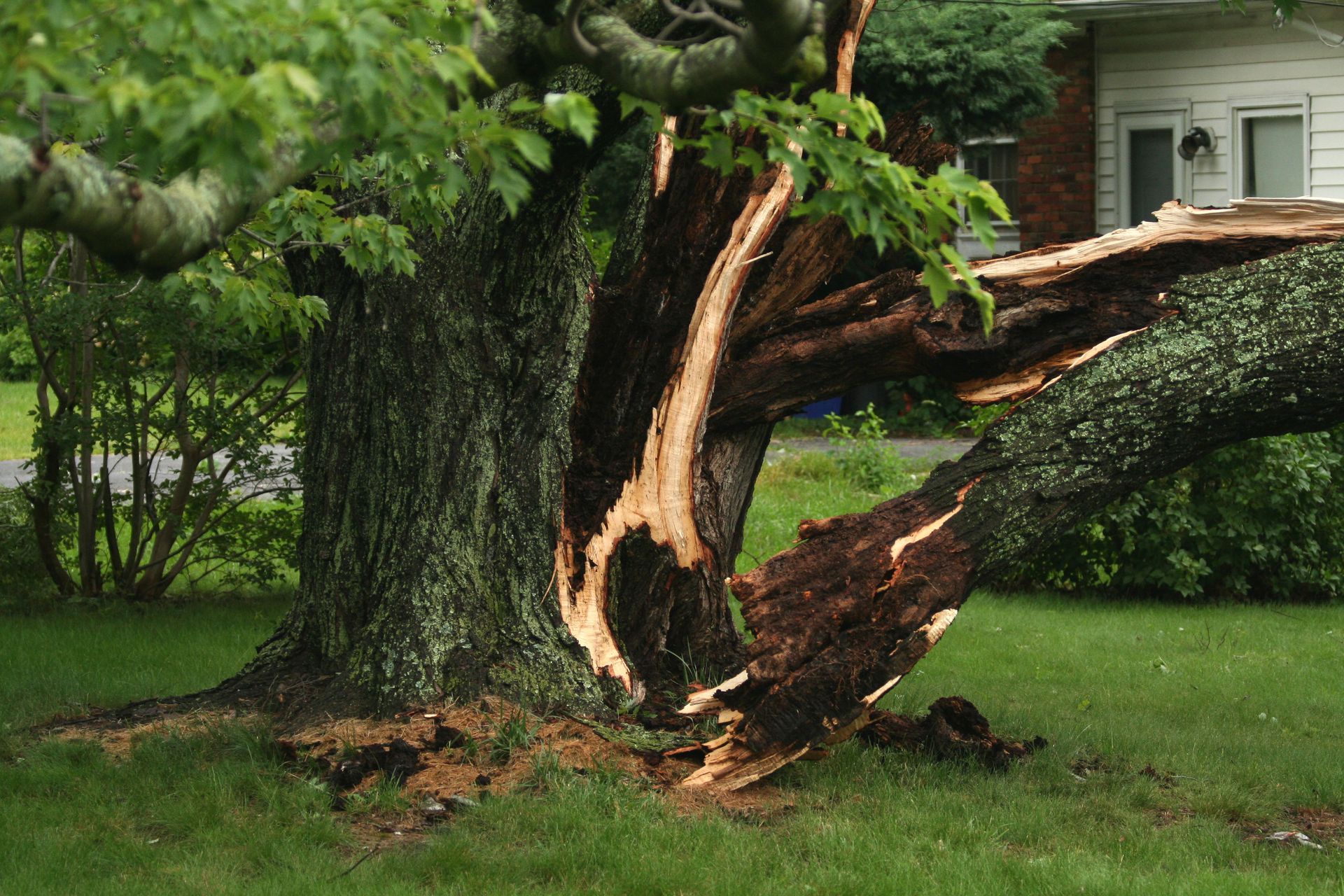
Neglecting tree trimming often leads to overgrown branches that become increasingly susceptible to falling, especially during storms. These falling limbs pose a significant risk to property, including houses, cars, and other structures. A proactive trimming schedule can prevent accidents, saving homeowners from costly repairs. Tree maintenance every 3 to 5 years can substantially reduce the risk of limb failure. Proactively managing tree growth thus serves as a prudent investment in the protection of your property.
Homeowners should be particularly cautious of large limbs located over roofs and driveways. Storms and high winds are common contributors to limb failure, but even normal weather conditions can precipitate such events in overgrown trees. Regular tree evaluations can identify vulnerable branches before they become a problem. Proactive trimming helps manage tree mass and maintains tree health, reducing the likelihood of limb breakage. Moreover, preventing falling limbs protects residents and visitors alike, emphasizing the safety benefits of tree trimming.
In urban environments, falling limbs endanger not only private property but public infrastructure as well. Trees next to sidewalks or roads can interfere with utilities or obstruct traffic flow if not properly maintained. Ensuring trees are regularly trimmed prevents these potential disruptions. Being mindful of community safety and infrastructure highlights the broader importance of maintaining tree health. Neglecting to do so can have repercussions beyond individual properties and can impact the community at large.
2. Risking Roof and Siding Damage
Overgrown branches that are not trimmed regularly can scrape and damage roofs and siding. This kind of damage not only affects the aesthetic appeal of your home but can also lead to more serious structural issues. Roof damage can lead to leaks, which in turn can cause water damage and mold issues inside the house. Trimming trees every 3 to 5 years helps prevent these branches from growing too close to the home. By maintaining a safe distance, homeowners can protect their investments and maintain their homes' value.
Ceiling and siding repairs are costly, often requiring professional intervention and high labor costs. Preventive trimming is often more cost-effective than repairing damage caused by neglect. Additionally, regular maintenance ensures that trees enhance, rather than detract from, your property. With routine attention, trees can complement the architecture and landscape design of a home. Ensuring trees are a positive feature rather than a liability is part of responsible property management.
Extreme weather conditions can exacerbate the risks posed by untrimmed trees near your home. High winds can cause branches to thrash against roofing, breaking shingles or tiles. Similarly, heavy snowfall can weigh down branches, increasing the chance of them breaking onto the house. Regular trimming reduces the chance of such damage, preventing unforeseen repair expenses. Thus, tree maintenance is not only about aesthetics but also about safeguarding your home from nature's whims.
3. Noticing Interference with Power Lines
Untrimmed trees are a common cause of interference with power lines, leading to power outages and posing a significant safety risk. When branches make contact with power lines, they can cause electrical sparks or fires. Regular trimming to maintain a safe distance from power lines is essential. This not only prevents service disruptions but also protects the safety of homeowners and their neighbors. In extreme cases, such interference can lead to severe fires and can potentially endanger entire communities.
Utility companies often perform their trimming, but their efforts may not extend to private property or could be conducted less frequently. Homeowners have the responsibility to inspect and maintain trees on their property. Ensuring trees are compliant with local power company guidelines is crucial. Regular inspection and trimming can prevent power line problems before they arise. Such vigilance is a community-minded approach to tree maintenance and property care.
In regions prone to severe weather, the need for regular trimming is even more pressing. High winds can sway branches, while ice accumulation can increase the weight and likelihood of tree contact with power lines. Scheduling tree trimming every 3 to 5 years mitigates these risks. By doing so, homeowners can avoid the potential for expensive outages or hazardous conditions. Upholding power line safety through tree maintenance is an essential responsibility for those living in affected areas.
4. Blocking Visibility and Driveways
Overgrown trees can block visibility for both pedestrians and motorists, increasing the risk of accidents. Limbs extending over driveways can obscure the view, making it difficult for drivers to see children, pets, or oncoming traffic. Regular trimming ensures clear sightlines, enhancing safety for all who use the driveway. Maintaining visibility reduces the likelihood of accidents and provides peace of mind for homeowners. Beyond safety, well-maintained trees contribute to an orderly and attractive landscape.
Pedestrian pathways can also be compromised by intrusive branches. Sidewalks littered with overhanging branches can force pedestrians onto the road, posing a safety hazard. By ensuring trees are regularly trimmed, homeowners keep public pathways safe and accessible. This commitment to community safety is further reinforced by well-kept trees that adhere to local guidelines. An unobstructed walkway ensures a safe community atmosphere for residents and visitors alike.
Untrimmed trees can create a general sense of neglect, reducing the perceived value and safety of a neighborhood. By keeping driveways and pathways clear, property owners contribute to a tidy and welcoming environment. Scheduled trimming not only maintains practical access but also boosts neighborhood aesthetics. This commitment to community upkeep reflects the broader role of responsible property ownership. An environment where safety and beauty are prioritized benefits everyone within the community.
5. Guttering and Drainage Issues
Leaves, twigs, and debris from untrimmed trees can cause significant guttering and drainage issues. When gutters are clogged, it leads to water overflow, which can cause damage to the foundation and exterior of a home. If unchecked, drainage problems can escalate into serious structural concerns. Regular tree trimming every 3 to 5 years minimizes the debris that collects in gutters, keeping water flowing efficiently. Ensuring tree debris does not lead to water-related damage is a critical part of keeping up with home maintenance.
Poor drainage around a property leads to water pooling, which can attract pests and contribute to the growth of unwanted mold or mildew. These issues can impact the home's aesthetic and structural integrity, requiring costly interventions. Homeowners must therefore be proactive in managing tree growth to prevent such outcomes. Regularly cleaned and maintained gutters ensure water is channeled away from the house efficiently. In this way, tree trimming plays an indirect but crucial role in effective water management.
Guttering issues from tree debris are not only a problem during rainy seasons; they can lead to lasting damage when ignored. Clogged gutters cannot effectively divert water, potentially causing erosion or water penetration. This can result in damage to walls, basements, or crawl spaces. By committing to consistent tree maintenance, homeowners can prevent such adverse scenarios. Well-managed tree growth is an important part of recognizing and averting possible future repairs.
In conclusion, delaying routine tree trimming can lead to a variety of safety hazards that affect both your property and the surrounding community. From the increased risk of falling limbs and structural damage to interference with power lines and blocked visibility, overgrown trees can quickly become more than just a cosmetic concern. These risks highlight why regular maintenance is an essential part of responsible property ownership. If you are in the Fort Collins, CO area and seeking tree trimming services, contact the professionals at TreeWorks today to request a free estimate.