March 16, 2026
Trees play an important role in residential landscapes by providing shade, improving curb appeal, and supporting the natural environment. Many homeowners value the beauty and benefits that mature trees bring to their property. Healthy trees can enhance outdoor spaces, provide cooling shade during warmer months, and contribute to the overall character of a yard. Because of these advantages, property owners often try to preserve trees whenever possible through trimming, maintenance, and disease management.
However, there are situations where saving a tree is no longer possible or safe. Structural damage, disease, and environmental hazards can turn a once-beautiful tree into a serious risk for homes, vehicles, and people nearby. When a tree becomes unstable or hazardous, removing it may be the only responsible course of action. In these cases, professional assessment and proper removal methods are critical for protecting the surrounding property. In this article, we will explore several situations where tree removal becomes the only practical option for homeowners.
1. Severe Storm Damage to the Tree
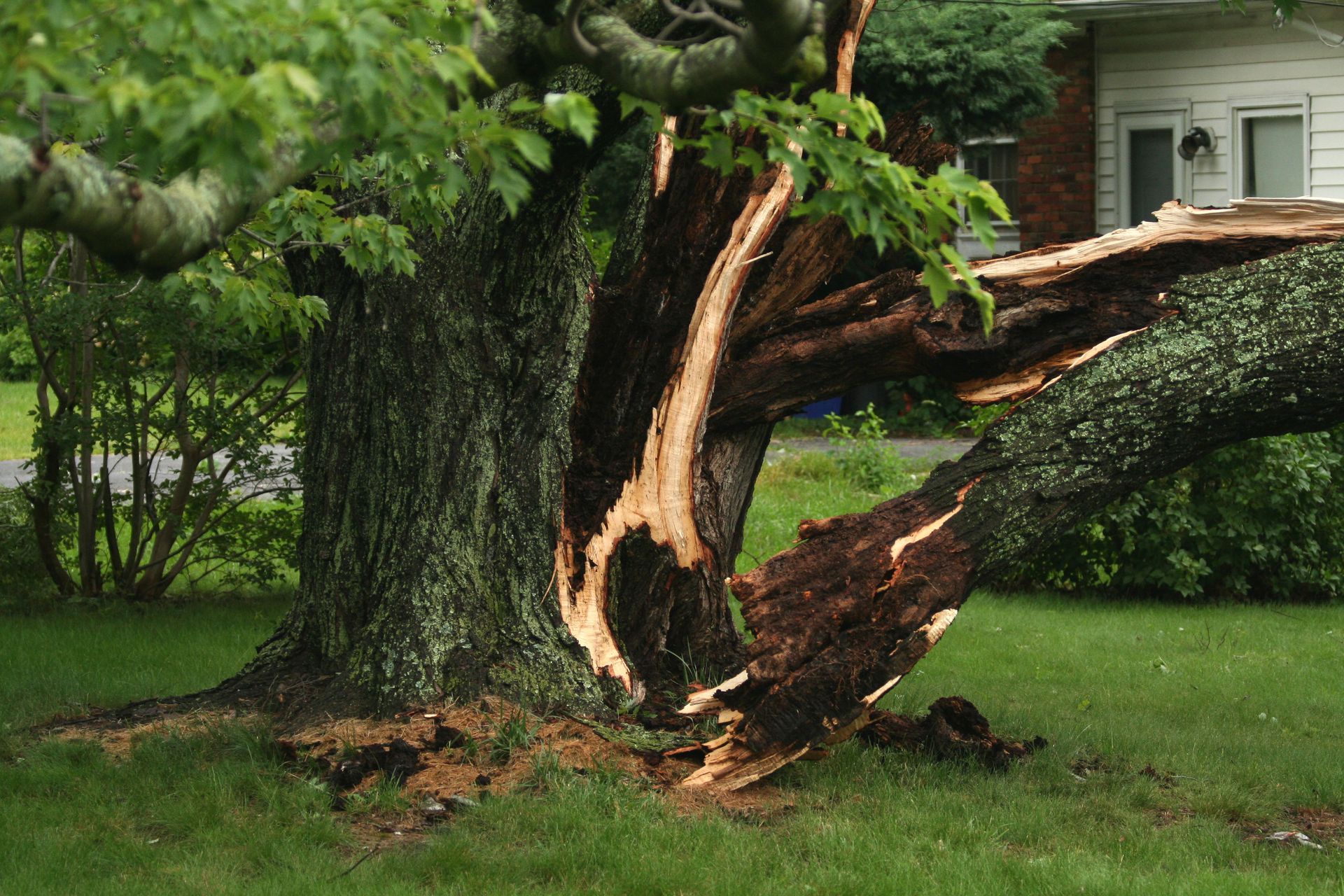
Storms are one of the most common causes of significant tree damage. High winds, lightning strikes, and heavy rain can weaken branches or split the trunk entirely. While some minor damage can be repaired through pruning or cabling, severe structural damage often leaves the tree unstable and unsafe.
When a large section of the trunk is cracked or major limbs have broken away, the remaining structure may not be able to support itself. Even if the tree remains standing temporarily, it may fall unexpectedly during the next storm or strong wind event. In these cases, attempting to save the tree can create greater risks for nearby buildings and outdoor spaces.
Professional arborists often evaluate storm-damaged trees to determine whether the damage is repairable. If the structure is compromised beyond recovery, complete tree removal may be necessary to eliminate the hazard and prevent future property damage.
2. Extensive Disease or Decay
Tree diseases can spread quickly and cause internal damage that is not always visible from the outside. Fungal infections, root rot, and bacterial diseases can gradually weaken the tree's structure while reducing its ability to absorb nutrients and water.
Over time, the tree may develop hollow sections, brittle branches, or soft wood that can no longer support its weight. In severe cases, the entire tree may begin to deteriorate from the inside out. When disease reaches this advanced stage, treatments are often no longer effective.
Leaving a severely diseased tree in place can also threaten nearby vegetation. Certain plant diseases can spread to surrounding trees and plants, affecting the overall health of the landscape. Removing the infected tree helps stop the spread and protects the rest of the property's greenery.
3. Dangerous Leaning or Structural Instability
A tree that suddenly begins leaning can indicate serious problems with its root system or structural stability. Trees naturally grow at slight angles, but a noticeable shift in position often suggests that the roots are failing to anchor the tree properly in the soil.
Heavy rainfall, soil erosion, or root damage can cause the ground around a tree to weaken. As the roots lose their grip, the tree may gradually tilt toward nearby structures or walkways. This type of instability significantly increases the risk of the tree falling during storms or high winds.
When a tree's structural support has been compromised, corrective measures are sometimes possible if the issue is detected early. However, if the lean becomes severe or continues to worsen, removing the tree may be the safest option for preventing property damage or personal injury.
4. Interference With Buildings and Utilities
In some cases, trees grow too close to homes, garages, power lines, or other important structures. As the tree continues to grow, its roots and branches may begin interfering with these nearby elements.
Roots can cause significant damage to foundations, sidewalks, driveways, and underground plumbing systems. Large branches may scrape against roofs, block gutters, or hang dangerously close to electrical lines. These issues not only create structural concerns but can also lead to costly repairs.
When trimming or root management is no longer enough to control the problem, complete removal may be required. Eliminating the tree prevents further damage to the home and allows for safer maintenance of nearby utilities and structures.
5. Dead or Dying Trees on the Property
A dead tree poses one of the most obvious safety hazards in a residential landscape. Without living tissue to maintain strength and flexibility, the wood becomes brittle and prone to breaking. Branches may fall unexpectedly, even in calm weather conditions.
Dead trees can also attract pests such as termites, beetles, and other insects that feed on decaying wood. These pests may eventually migrate to nearby structures or other trees on the property.
When a tree is clearly dead or nearing the end of its life cycle, removal is often the most responsible option. Professional crews can safely dismantle the tree and remove the remaining debris before it causes damage to surrounding areas.
6. Trees Blocking Major Property Improvements
Homeowners sometimes encounter situations where a tree's location interferes with planned property improvements. Projects such as building additions, installing driveways, constructing patios, or expanding landscaping features may require clear space that an existing tree occupies.
While preserving trees is usually desirable, certain construction projects cannot proceed safely with large root systems or overhead branches in the way. In these cases, relocating the tree may not be practical due to its size or root structure.
Removing the tree allows homeowners to move forward with improvements that enhance the property's functionality and value. Professional services help complete the process safely while minimizing disruption to the surrounding landscape.
7. Hazardous Trees Near High Traffic Areas
Trees located near driveways, sidewalks, playgrounds, or outdoor seating areas require special attention because people regularly pass beneath them. If a tree begins showing signs of structural weakness, it can pose a serious safety risk in these high-traffic areas.
Cracked limbs, hollow trunks, and unstable root systems can all increase the likelihood of falling branches or complete tree failure. When these issues occur in locations where people frequently walk or gather, the potential for injury becomes much greater.
In situations where a hazardous tree cannot be stabilized or repaired, tree removal may be the only reliable way to eliminate the risk. Removing the tree helps create a safer environment for residents, guests, and neighbors.
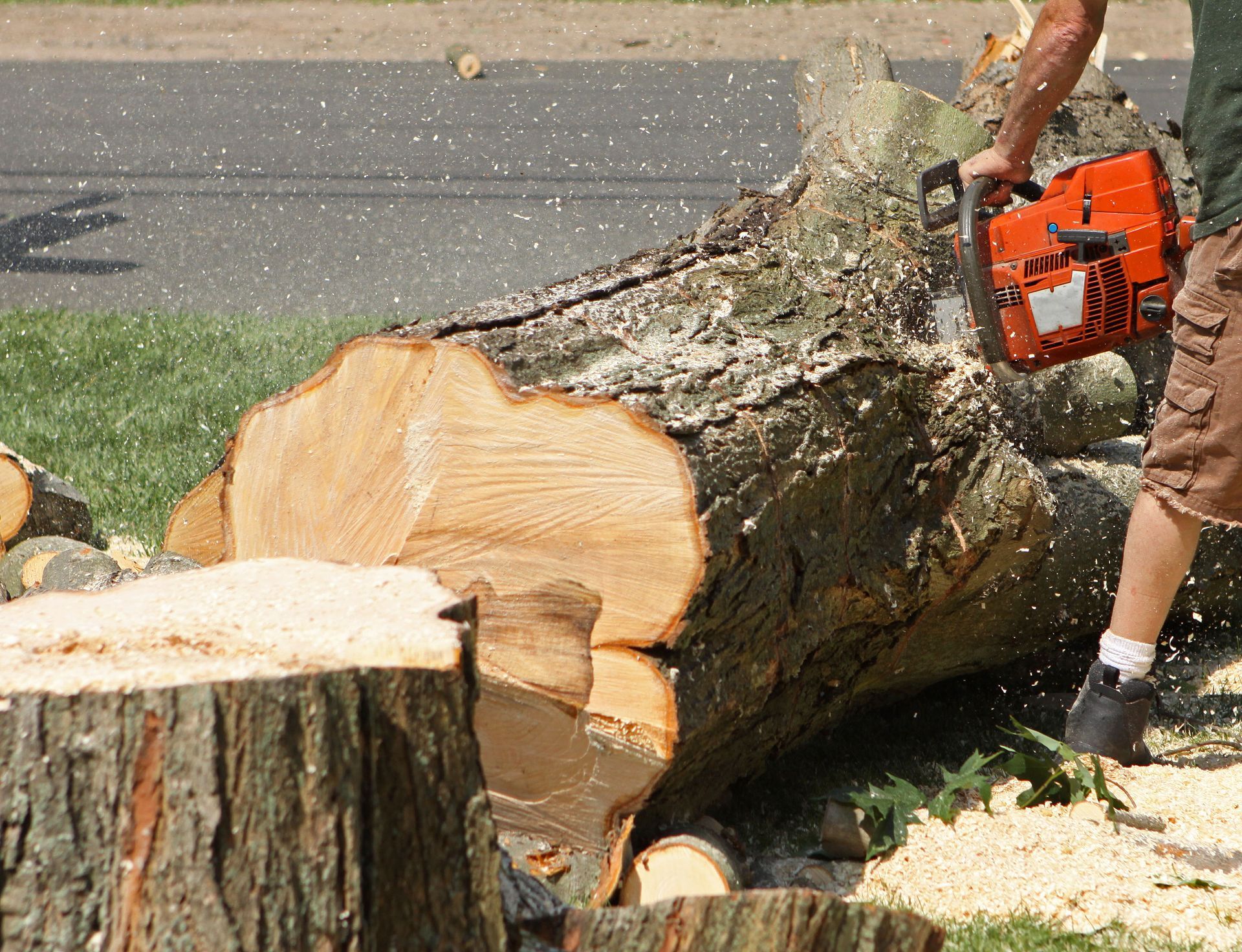
The time required to remove a tree can vary depending on its size and location. According to Lawn Love, removing a small tree usually takes 1 to 2 hours, while removing a large tree takes 3 to 4 hours. Larger or more complicated removals may require additional time and equipment to complete safely. By working with trained professionals, homeowners can ensure that the removal process is handled efficiently and that the surrounding property remains protected throughout the job.
While trees add beauty and environmental benefits to residential properties, certain conditions can make removal unavoidable. Severe storm damage, disease, structural instability, and interference with buildings are just a few of the situations where keeping a tree may no longer be safe or practical. Recognizing these warning signs early helps homeowners protect their property and avoid potential hazards.
If you have concerns about a tree on your property, consulting a qualified professional from TreeWorks can help determine the best course of action. Whether the issue involves safety, property damage, or landscape improvements, professional tree removal services can safely handle the process and restore peace of mind for homeowners.