November 22, 2026
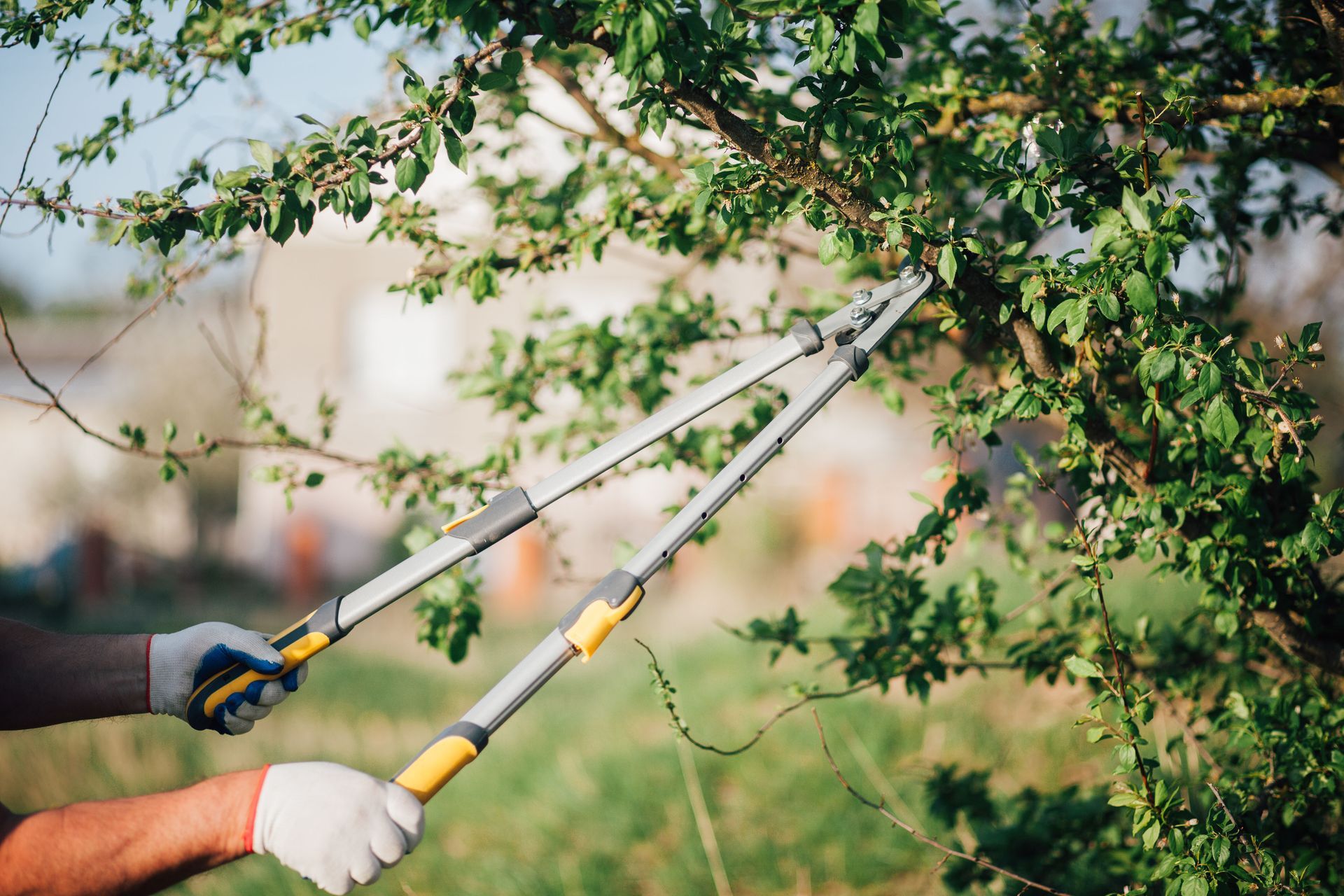
Tree pruning is a crucial practice for maintaining the health and aesthetics of trees in your yard. This article will explore the numerous reasons why removing excess branches is beneficial and provide guidance on how to conduct pruning safely.
1. Enhancing Tree Growth
Pruning plays a vital role in enhancing the growth of trees by removing unwanted branches that sap nutrients. By strategically pruning a tree, the nutrients are directed to more crucial areas, supporting healthier growth. The pruning of young trees is particularly important to shape and guide their growth, setting the foundation for strong future development. A well-pruned tree is not only more robust but is also less susceptible to disease and pest infestations. Proactive pruning ultimately ensures that trees can reach maximum size and productivity.
Pruning excess branches opens up the tree canopy, allowing better light penetration to support healthy growth. Increased light also aids in photosynthesis, empowering the tree to thrive. Managed canopy growth encourages a robust root system, further enhancing stability and nutrient uptake. Removing dead or weakened branches prevents energy resources from being wasted. This free flow of energy and nutrients fosters vigorous growth and natural resilience.
Trees that are regularly pruned tend to display more vigorous new growth compared to neglected trees. Proper pruning techniques must be applied to avoid stress to the trees, which can hinder their growth. Consistent pruning sensitively timed and executed also prevents structural problems as trees mature, saving costs in the long run. Moreover, periodic assessment through pruning encourages healthy outcomes and a balanced shape for the tree. Engaging with professional arborists can further enhance outcomes due to their expertise in tree-specific pruning needs.
2. Increasing Safety & Reducing Hazards
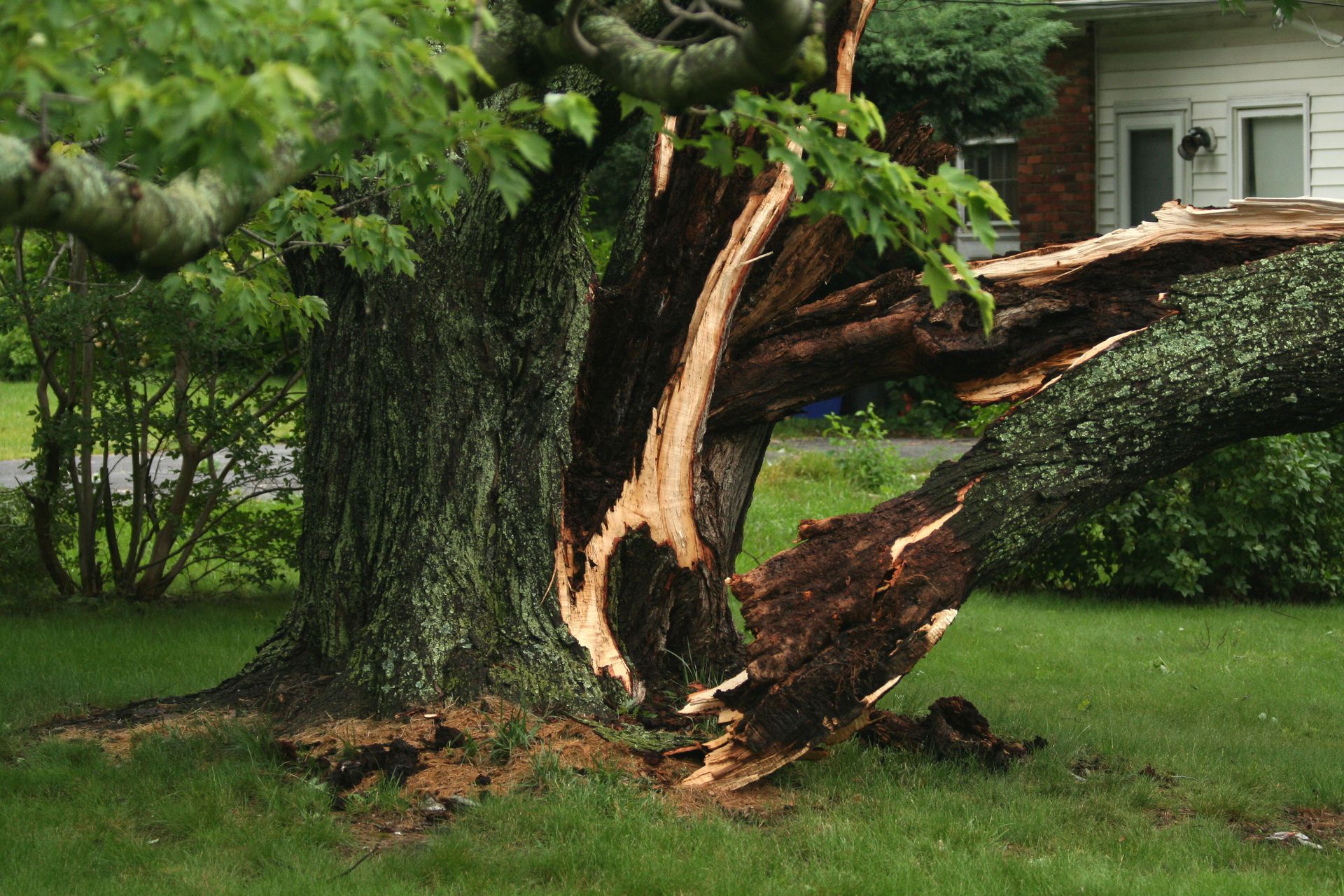
Tree pruning significantly increases safety by addressing potential hazards posed by overgrown branches. Overhanging branches can become a liability, especially during storms or windy conditions, often resulting in property damage. By regularly pruning your trees, you preemptively reduce the risk of branches breaking and falling. Pruning also ensures pathways and walkways, whether for pedestrians or vehicles, remain clear and safe. In public areas, such measures can prevent accidents and reduce legal liabilities.
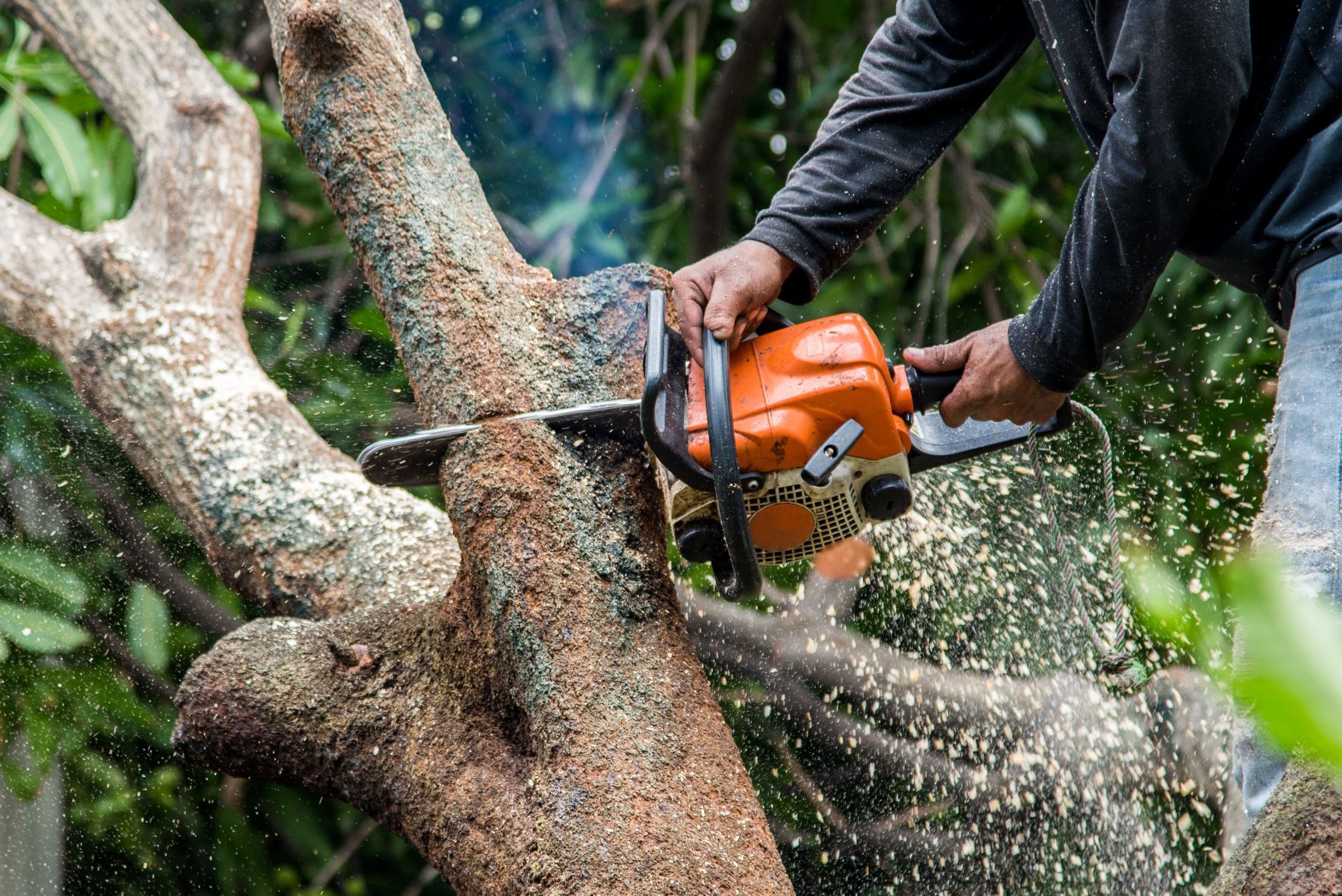
In urban areas, tree pruning is crucial for maintaining a safe distance from power lines and electrical installations. Avoiding electrical hazards is paramount, as unkempt branches can cause interruptions in power and pose life-threatening risks. Recognizing the potential dangers of overgrown branches helps in carefully planning pruning routines that uphold community safety. Professional arborists often have specialized training and equipment to conduct such high-risk pruning work safely. Their expertise is an asset in assessing and implementing risk mitigation strategies through strategic pruning.
Safety also goes hand-in-hand with visibility, as pruning can improve sightlines near roads and intersections. Well-pruned trees give drivers unobstructed visibility, reducing the chance of accidents. Regular trimming maintains a tree's health, decreasing the possibility of unexpected limb failures that can sometimes occur without warning. These preventative measures contribute to a safer environment for everyone. Keeping a consistent pruning schedule can mitigate many safety risks before they become problems.
3. Improving Aesthetics & Landscape Appeal
Tree pruning is indispensable in enhancing the visual appeal and overall aesthetics of your landscape. A well-maintained tree with a balanced shape can be a striking focal point in any garden or yard. The symmetry and clean lines that result from strategic pruning improve the cohesion of any designed outdoor setting. Pruning helps highlight the most beautiful features of a tree, such as its bark texture, branch patterns, or foliage. Neatly pruned trees also provide a contrast that can enhance the aesthetic appeal of nearby plants and structures.
The improvement in landscape appeal through pruning is not limited to individual trees but extends to the entire environment. Controlled growth achieved through pruning prevents overcrowding, allowing each tree ample space to flourish without competing for sunlight and resources. These principles apply to mixed plant landscapes as well, where trees are arranged harmoniously with shrubs and other plant species. Consequently, such landscapes are more inviting, evoking a sense of peace and relaxation that enhances property value. Attractive landscapes are known to boost curb appeal and leave a lasting impression.
Experts recommend using pruning as a design tool in crafting elegant garden landscapes. By integrating artistic elements, such as topiary or unique canopy shaping, the aesthetic dimensions are multiplied. This creative process requires judicious, well-timed cuts that maintain the health of the tree while achieving the desired visual result. Pruned trees can thus embody an aesthetic statement, showing off the homeowner's commitment to artful gardening. Great care must be taken to harmonize these design choices with the overall landscape architecture.
4. Boosting Sunlight and Air Circulation
One of the key benefits of tree pruning is the increased sunlight penetration and air circulation within the canopy. Properly pruned trees allow sunlight to reach lower branches, promoting a healthier and more vibrant foliage throughout. This increased exposure to light enhances the natural process of photosynthesis, improving the vitality of the entire tree. Improved sunlight access is also essential for the underlying vegetation that can thrive better in the brighter and more open environment. Foliage that receives adequate light is generally more vibrant and disease-resistant.
In addition to sunlight, improved air circulation achieved through pruning has significant benefits. With the excess density reduced, the canopy allows more free movement of air, which helps to keep fungal pathogens, like mildew, at bay. In fruit-bearing trees, improved air circulation helps reduce fruit rot and insect infestation, both of which thrive in humid, stagnant conditions. More circulation also means trees dry more quickly after rainfall, which further reduces the risk of disease. Ultimately, these conditions propagate healthier tree growth throughout its lifecycle.
Pruning to enhance sunlight and airflow can also prevent overcrowding within tree clusters. Dense canopies can produce environments conducive to disease spread and pest habitation. Through thoughtful pruning, a balance can be achieved, ensuring each tree in a group is optimally positioned for sunlight and airflow. The reinforcement of these natural elements provides a sustainability dimension to tree care. Indeed, this practice contributes towards a healthier ecosystem, supporting all forms of life that rely on trees.
5. Promoting Fruit and Flower Production
Proper pruning practice significantly influences fruit and flower production in trees and shrubs. By removing non-essential branches, the tree can channel more resources into producing healthier fruit and more abundant blooms. Pruning in early spring helps in shaping the tree for optimal light exposure, which is crucial for vigorous flowering. The strategic removal of branches can also prevent energy wastage, ensuring all parts of the tree are productive from early growth stages. This approach improves the quantity and quality of flowers and fruits significantly.
Another important consideration for promoting productivity through pruning is the timing relative to the tree's life cycle. Pruning in different seasons can affect the developmental pace of fruit-bearing trees. According to Flower World USA, summer pruning often stops or limits growth but will provide earlier fruit production, usually after one season instead of 2-3 years. Understanding the implications of seasonal pruning helps in fine-tuning the timing for the optimum yield of fruit and flowers. Such tactile approach synergizes with nature's rhythm to maximize benefits.
Pruning is also influential in maintaining the quality and integrity of produce over time. As some trees age, they become prone to producing smaller, less desirable fruits. Controlling and renewing vigorous growth through regular pruning leads to larger and more flavorful fruits. This sustenance of high-quality production is crucial for trees with economic importance, like those in orchards. Fruit trees, when managed with regular pruning, also tend to suffer less from pest infestations and diseases.
By understanding the process and its benefits, you can ensure your trees thrive for years to come. Whether you are a seasoned gardener or just starting, learning proper pruning techniques is invaluable. If you need
tree pruning services, reach out to TreeWorks today!