November 17, 2026
Trees add shade, beauty, and value to a property, but they can become a serious hazard when their branches grow too close to power lines. A limb that brushes a line today can cause an outage, a fire, or a dangerous shock tomorrow. Because trees keep growing season after season, the problem rarely fixes itself. Below, we'll explain why tree trimming near power lines should never be put off and what property owners can do to keep their homes and families safe.
Understanding the Danger of Branches Near Lines
Power lines carry high voltage, and trees can conduct electricity, especially when they're wet. A branch doesn't even need to be touching a line for current to arc across a small gap. When limbs grow into or near power lines, they create a path for electricity to travel through the tree and toward the ground. Anyone touching the tree, a nearby fence, or even the ground around it could be at risk. That's why overgrown branches near lines should always be treated as an urgent safety issue rather than a cosmetic one. The longer they're left alone, the closer they get and the greater the danger becomes. Even a light breeze can push a nearby limb into a line without warning.
Preventing Power Outages
Trees are one of the most common causes of power outages. Branches that rub against lines can wear down equipment over time, while limbs that fall during wind or ice storms can snap lines completely. When that happens, your home may lose power for hours or even days, along with neighbors who share the same line. Outages can spoil food, shut down heating and cooling systems, and disrupt work and school routines. Regular tree trimming helps reduce the chance that your trees will be the reason the lights go out on your street. For households that rely on medical equipment, refrigerated medications, or home offices, even a short outage can create real problems.
Reducing the Risk of Fire
When branches touch energized lines, they can heat up, spark, and catch fire. Dry conditions make this risk even greater, since dead leaves and brittle limbs ignite easily. A small spark in a tree can quickly spread to roofs, fences, sheds, and nearby vegetation. Fires started by vegetation contact can be difficult to control and may cause serious damage before help arrives. Keeping branches trimmed back from lines is one of the simplest ways to lower this risk and protect your property during hot, dry stretches. Clearing away dead branches and debris near lines also removes fuel that could feed a fire if a spark does occur.
Protecting Your Home During Storms
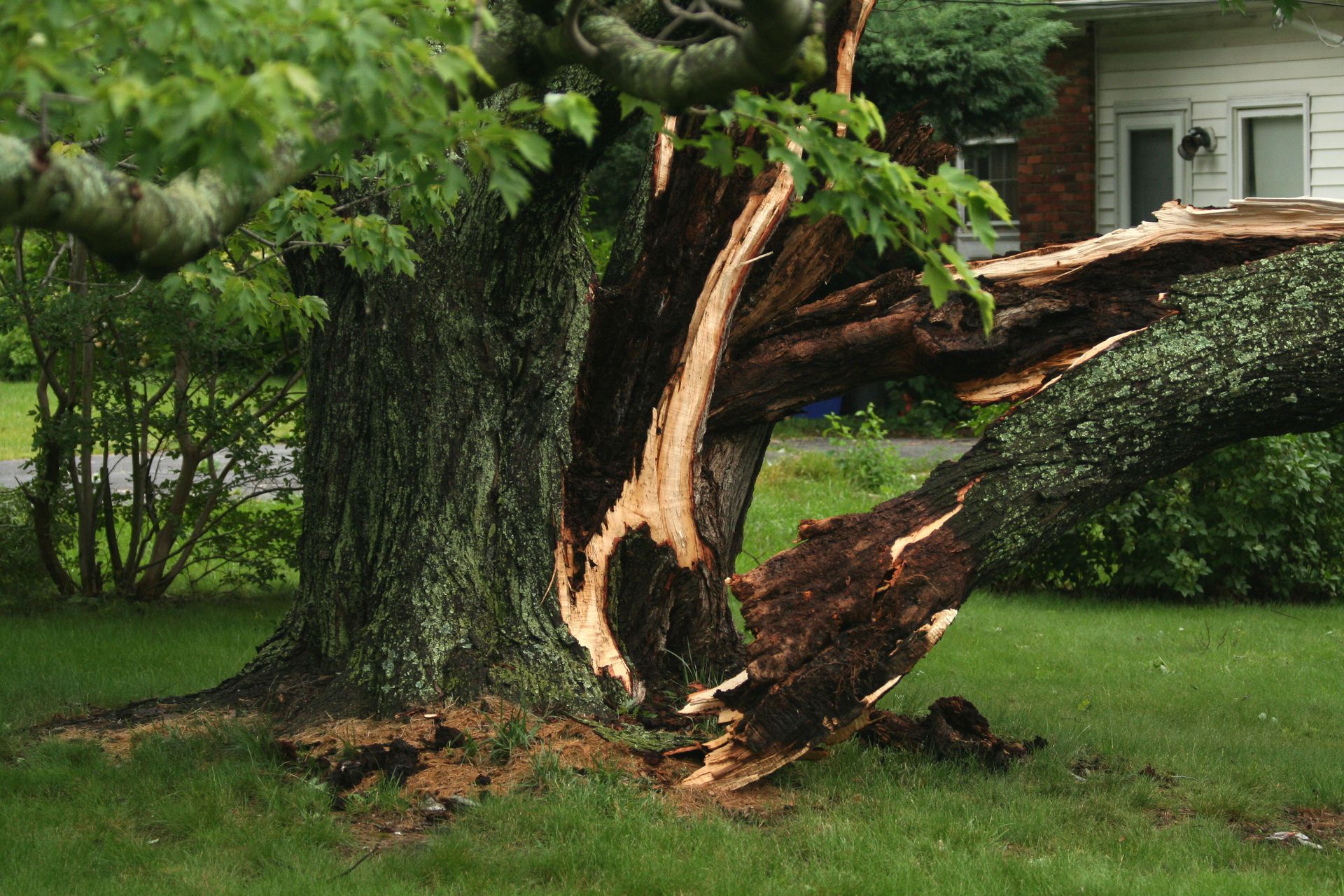
Storms put extra stress on trees, and branches that are already close to power lines become even more dangerous in high winds. A heavy limb can tear down a line and land on your roof, vehicle, or yard, leaving live wires on the ground. Ice and heavy rain add weight to branches, making them more likely to break. Trimming before storm season helps remove weak, overextended, or damaged limbs before they can fail. Taking care of the problem ahead of time is far safer than dealing with downed lines and storm damage after the fact. After a major storm, crews are often stretched thin, so waiting until damage happens can mean longer repair times and more disruption.
Keeping Your Family and Neighbors Safe
Overgrown trees near power lines don't just put your property at risk. They can also endanger children who like to climb trees, neighbors walking by, and workers who may need to access the area. Kids may not recognize the danger of climbing a tree with branches close to a line, and a single touch can be life-threatening. Even adults doing simple yard work can accidentally come into contact with energized branches. Keeping trees properly trimmed helps create a safer environment for everyone who spends time on or near your property. If you ever notice a branch touching a line, keep everyone away from the tree and contact your utility or a professional right away.
Leaving the Work to Trained Professionals
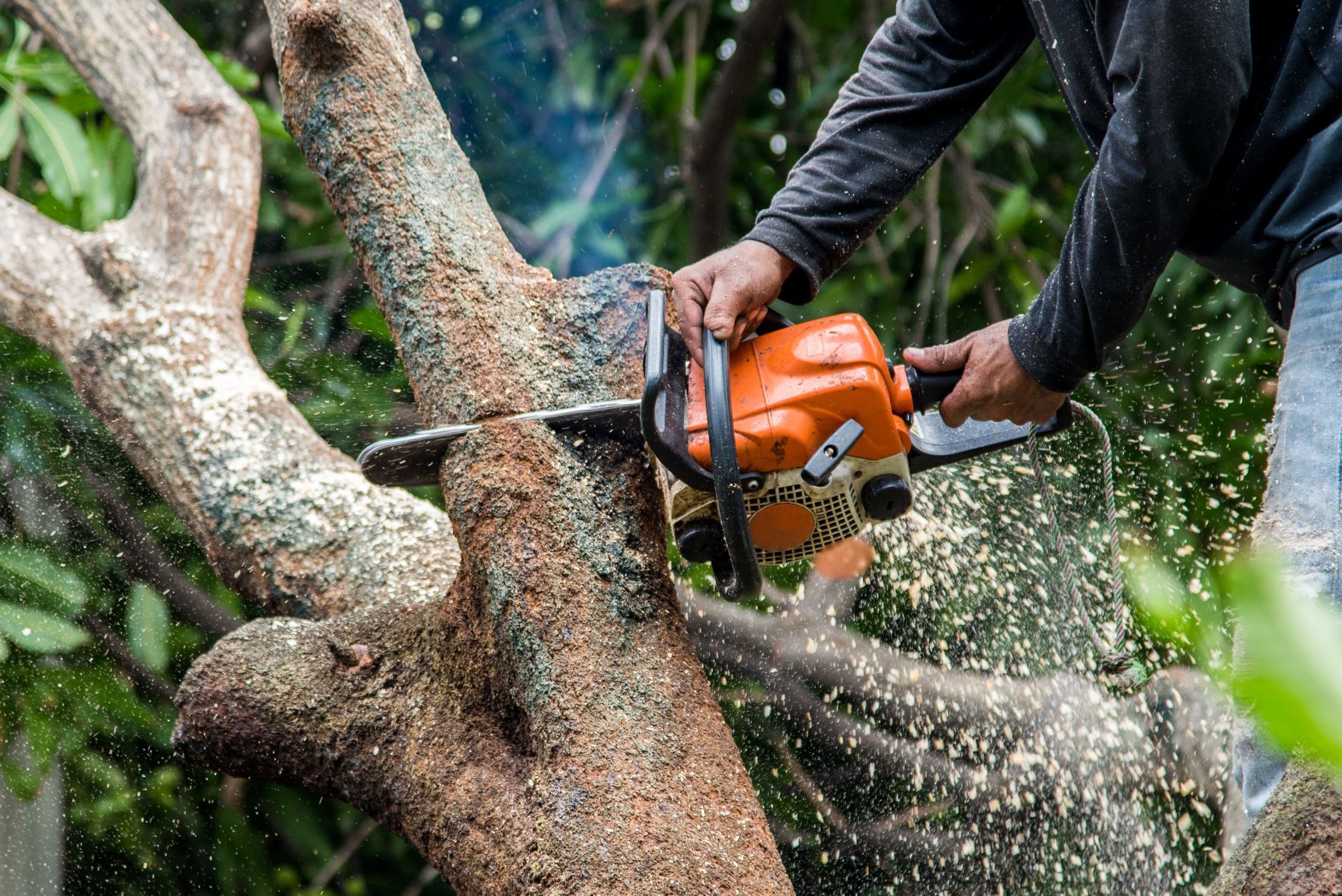
Trimming near power lines is not a do-it-yourself job. Ladders, pole saws, and falling branches can all make contact with lines, and the results can be deadly. Professionals understand how to assess hazards, plan safe cuts, and use the right equipment to keep crews and property protected. They also know when a job requires coordination with the utility company before any work begins. Hiring experienced tree trimming professionals keeps you out of harm's way and helps the job get done correctly the first time. It also protects the health of your tree, since improper cuts can leave it weak, unbalanced, or more prone to disease.
Knowing Who Handles Which Lines
Not every line on your property is handled the same way. Utility companies typically maintain the main distribution lines that run along streets and easements, and they may have their own vegetation management programs. The service line that runs from the pole to your home, however, may be treated differently, and some utilities ask homeowners to contact them before trimming near it. Rules can vary by provider, so it's wise to check before any work begins. Our team can help you understand your options and coordinate with your utility when needed. Knowing who's responsible ahead of time helps avoid delays and keeps the work moving safely.
Planning Ahead With Smart Planting
One of the best ways to prevent future problems is to plant the right tree in the right place. According to CPS, trees that may grow 40 feet or taller or develop a wide, spreading crown should be planted at least 30 feet from power lines. Smaller, slower-growing trees are often a better choice for areas near overhead lines. Thinking about a tree's mature size before planting can save you from years of trimming and potential hazards down the road. If you already have large trees close to lines, regular maintenance becomes even more important. We're also happy to talk through tree placement if you're planning new plantings on your property.
Scheduling Regular Trimming
Trees don't stop growing, so trimming near power lines should be part of an ongoing maintenance plan rather than a one-time fix. Fast-growing species may need attention more often, while slower growers can go longer between visits. Regular inspections help catch branches before they reach the danger zone and make each trimming job safer and more manageable. Staying on a schedule also supports healthier trees, since proper cuts encourage strong growth and reduce the chance of disease or decay. Consistent tree trimming is the best way to keep your property and your trees safe year after year.
At TreeWorks, we understand how important it is to keep trees healthy and power lines clear. Our experienced team provides careful, professional tree trimming designed to reduce hazards, protect your property, and keep your trees looking their best. We'll assess your trees, explain your options, and help you plan a maintenance schedule that fits your property. Don't wait until a branch causes an outage or worse, since acting early is safer and often less costly. Contact TreeWorks today to schedule your
tree trimming service.