November 25, 2026
Tree pruning is an essential aspect of property maintenance that often goes overlooked. Not only does it enhance the aesthetic appeal of your landscape, but it also plays a crucial role in safeguarding your home and land. By using strategic techniques, proper canopy care ensures that mature trees contribute to property safety, ecological health, and long-term curb appeal. Understanding the full spectrum of benefits makes routine maintenance an invaluable investment for any homeowner.
Preventing Falling Storm Branches
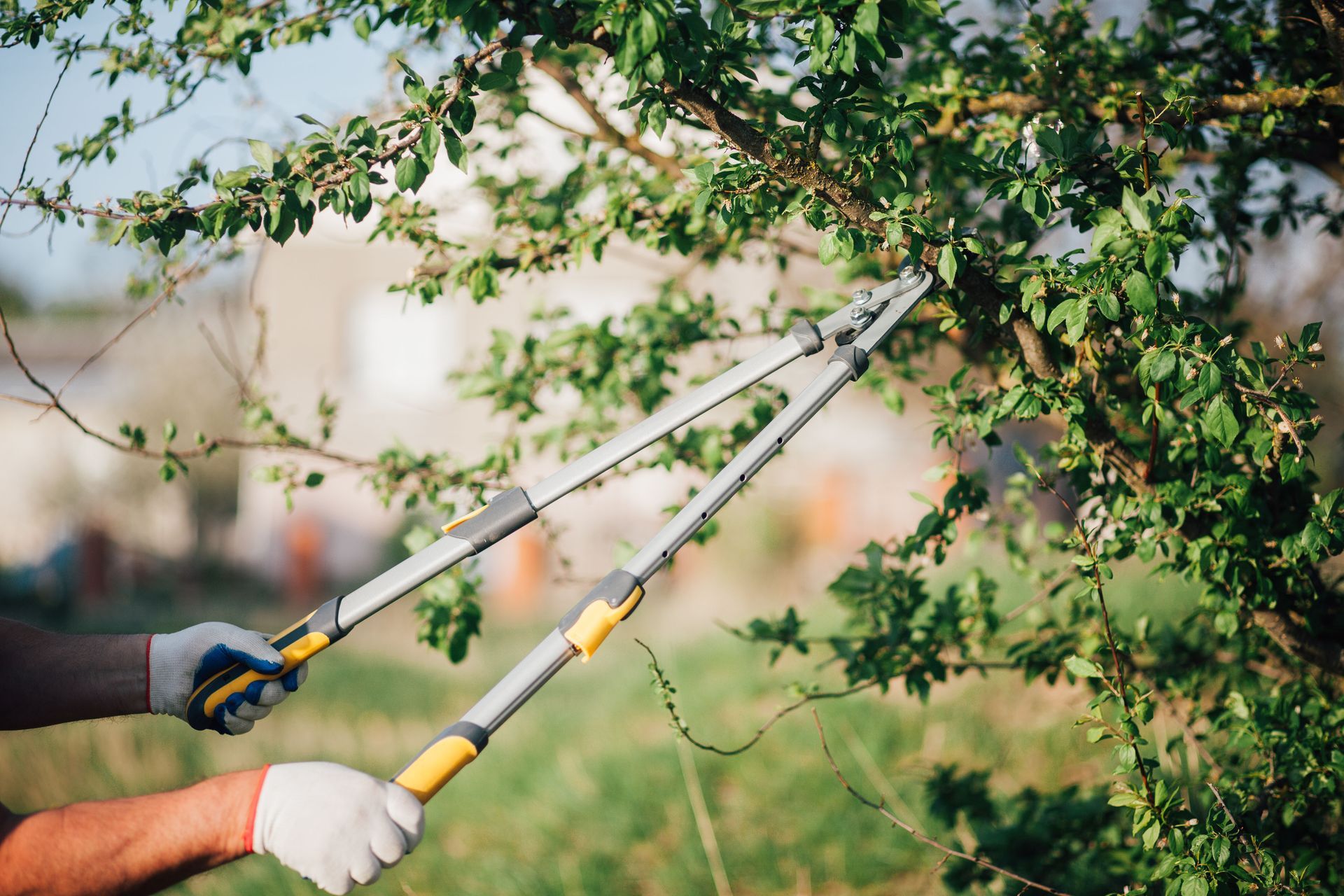
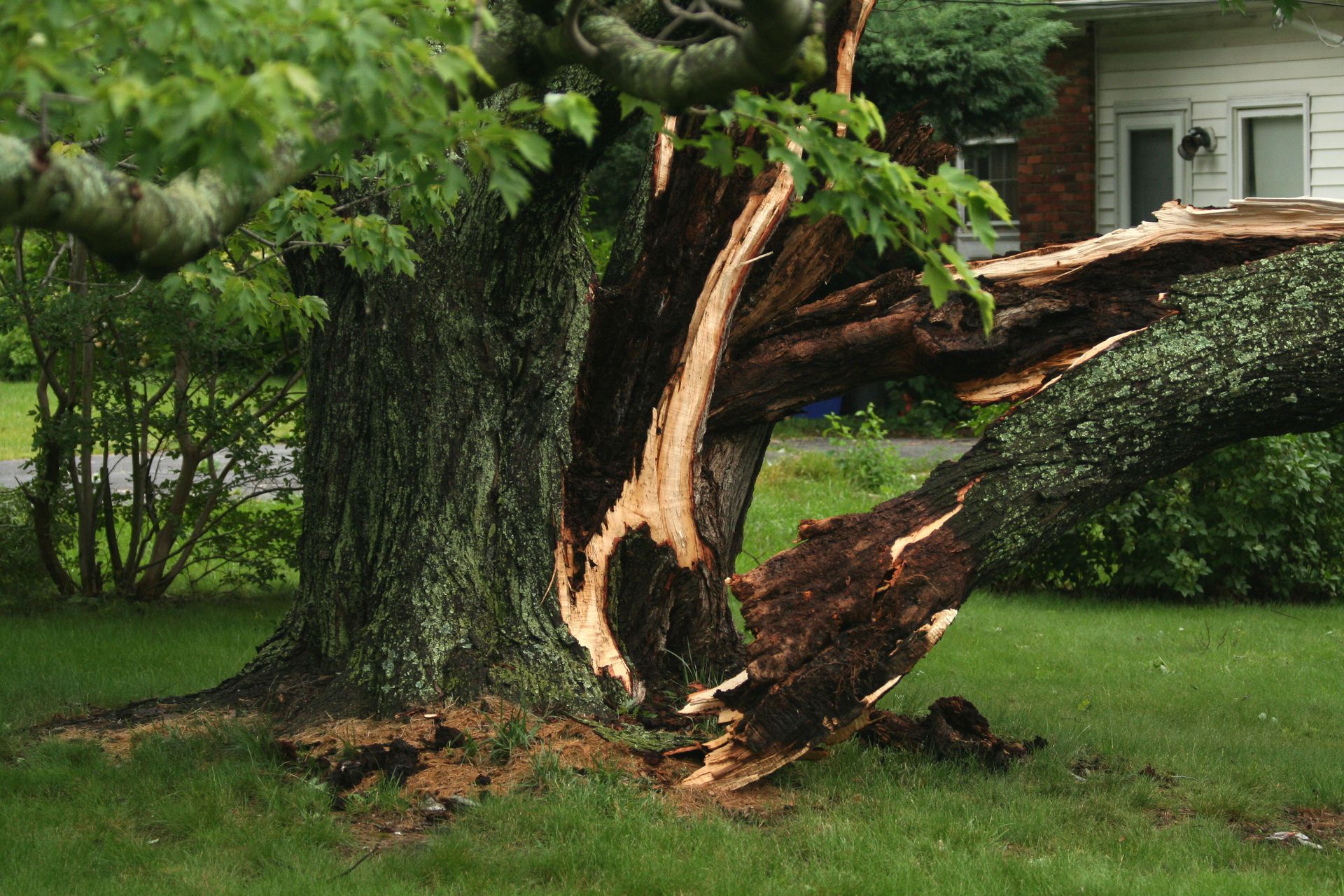
Regular canopy thinning eliminates overgrown, split, or dead limbs that pose severe risks during thunderstorms, ice accumulation, or high winds. When an unpruned tree develops an overly dense crown, wind catches the foliage like a solid sail rather than flowing smoothly through open gaps, dramatically increasing the likelihood of sudden limb failure or uprooting. By selectively removing weak lateral branches and balancing overall weight distribution, property owners make mature trees far more wind-resistant while protecting family members, pedestrians, and parked vehicles below.
According to the Arbor Day Foundation's 2025 Canopy Report, 95% of Americans recognize the value trees provide, highlighting the need for proper pruning to keep them safe and healthy. Addressing structural weaknesses before storm season arrives is significantly more affordable than repairing crushed roofs, shattered windshields, or damaged utility drops after a severe weather event. Scheduling professional tree pruning services proactively keeps structural scaffolds sound and gives homeowners genuine peace of mind year-round.
Reducing Residential Fire Hazards
Dried, brittle branches and dense low-hanging undergrowth act as dangerous combustible fuel if left untreated, particularly in dry climates or properties bordering wooded acreage. Removing deadwood and clearing accumulated twigs and dry leaves around tree bases creates a natural defensible buffer that prevents ground fires from climbing into upper canopies and spreading toward residential structures. Proper vertical spacing between lower limbs and surrounding shrubs breaks up continuous fuel ladders across the yard.
Additionally, maintaining clean clearance around driveways, gates, and essential utility infrastructure gives emergency responders unobstructed access if a brush fire ever threatens the neighborhood. Thoughtful vegetation management preserves local biodiversity and shade while significantly lowering wildfire vulnerability. Relying on certified tree pruning services helps homeowners maintain safe defensible zones while keeping surrounding landscapes healthy and resilient.
Avoiding Overhead Electrical Hazards
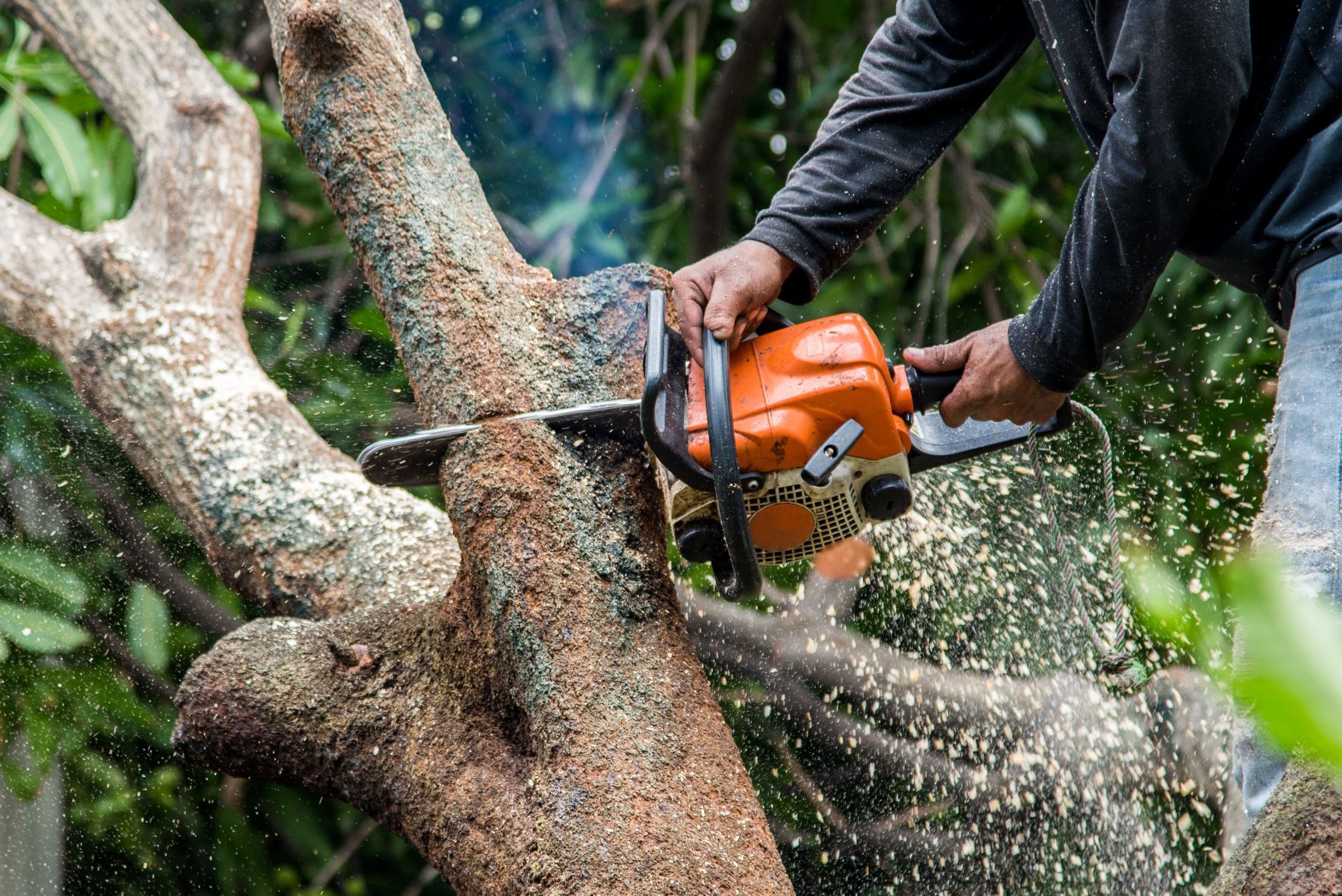
Overhanging limbs touching or growing near utility lines frequently cause neighborhood power outages, transformer sparks, or severe electrical fires during windy weather. High-voltage conductors pose life-threatening electrocution dangers to anyone who contacts an energized branch or attempts amateur trimming with standard ladders and saws. Even intermittent contact between swaying branches and insulated service drops can wear through protective sheathing and interrupt electricity to homes and critical neighborhood services.
Because working near live wires requires specialized dielectric tools, climbing gear, and strict rigging expertise, property owners should never attempt line clearance on their own. Hiring experienced tree pruning services ensures safe clearance distances are maintained in full compliance with local municipal codes and utility regulations, protecting both household safety and neighborhood power reliability.
Improving Property Sightlines Visibility
Low-hanging foliage often obscures driveway exits, street corners, stop signs, and pedestrian crosswalks, increasing the risk of vehicle and bicycle collisions. In busy residential neighborhoods, unchecked branch growth can narrow sight triangles so drivers cannot spot oncoming traffic until they have already pulled into the roadway. Targeted crown raising restores clear, unobstructed sightlines for drivers, delivery vehicles, and pedestrians alike.
Thick, overgrown branches can also block outdoor security cameras, porch lights, and motion-sensor floodlights, creating dark blind spots around doors and ground-floor windows. Trimming back encroaching foliage ensures surveillance equipment captures clear footage and eliminates concealed hiding spots near entryways and walkways. Balanced landscape care aligns modern home security with clean, welcoming curb appeal.
Protecting Roofs And Structures
Branches rubbing against rooflines scrape protective mineral granules off asphalt shingles, loosen metal flashing, and create damp leaf traps that accelerate wood rot along fascia boards. Overgrown limbs extending within jumping distance of eaves also serve as convenient bridges for squirrels, raccoons, and rodents seeking entry into attics, where pests chew wiring and tear up insulation. Meanwhile, falling twigs and leaves clog gutters and downspouts, leading to water overflow that stains siding and saturates soil around foundations.
Routine trimming through reputable tree pruning services keeps limbs safely back from roofs, chimneys, garages, and storage sheds, extending roofing lifespans and deterring costly pest infestations. Proper clearance also allows rainwater to drain freely off eaves without pooling beneath shaded overhangs.
Guarding Fences And Walls
Unchecked branches leaning against wooden boundary fences, gates, or brick retaining walls exert heavy lateral pressure during wind gusts, bending posts, snapping boards, and cracking mortar joints. Dense canopies pressed tightly against exterior structures also trap stagnant humidity after rainstorms, accelerating wood decay, rust on metal hardware, and stubborn mildew staining.
Thoughtful crown shaping maintains healthy airflow and physical separation between mature trees and surrounding hardscapes without sacrificing valuable backyard shade. By guiding growth upward and away from property boundaries, homeowners prevent sudden fence collapses and preserve the clean architectural lines of walls, pergolas, and courtyard enclosures.
Controlling Invasive Root Growth
Managing above-ground canopy growth directly influences how aggressively a tree's root system expands beneath driveways, concrete walkways, patios, and underground sewer or water lines. When trees grow overly large for tight residential lots, surface and subsurface roots spread outward in search of moisture and nutrients, lifting concrete slabs into tripping hazards, cracking foundations, or infiltrating older plumbing joints.
Balancing canopy size alongside targeted root management keeps root systems stable, reduces nutrient and water competition with surrounding turfgrass, and protects buried utilities from costly blockages. Property owners who coordinate seasonal tree pruning services maintain healthier harmony between mature shade trees, level hardscapes, and underground infrastructure.
Preventing Excess Moisture Accumulation
Overly dense tree canopies block warming sunlight and natural breezes from reaching exterior siding, wooden decks, stone patios, and shaded lawn areas, allowing mold, mildew, moss, and slippery algae to thrive. Persistent dampness beneath heavy shade causes wooden deck boards to warp and rot prematurely while leaving grass thin, patchy, and muddy after routine rainfall.
Opening up interior branches through selective crown thinning lets dappled sunlight and fresh air dry damp surfaces quickly after storms, preserving exterior paint and stain finishes while encouraging vibrant turf and flower beds below. Balanced light penetration supports healthier backyard ecosystems without sacrificing comfortable summer shade.
Removing Diseased Tree Limbs
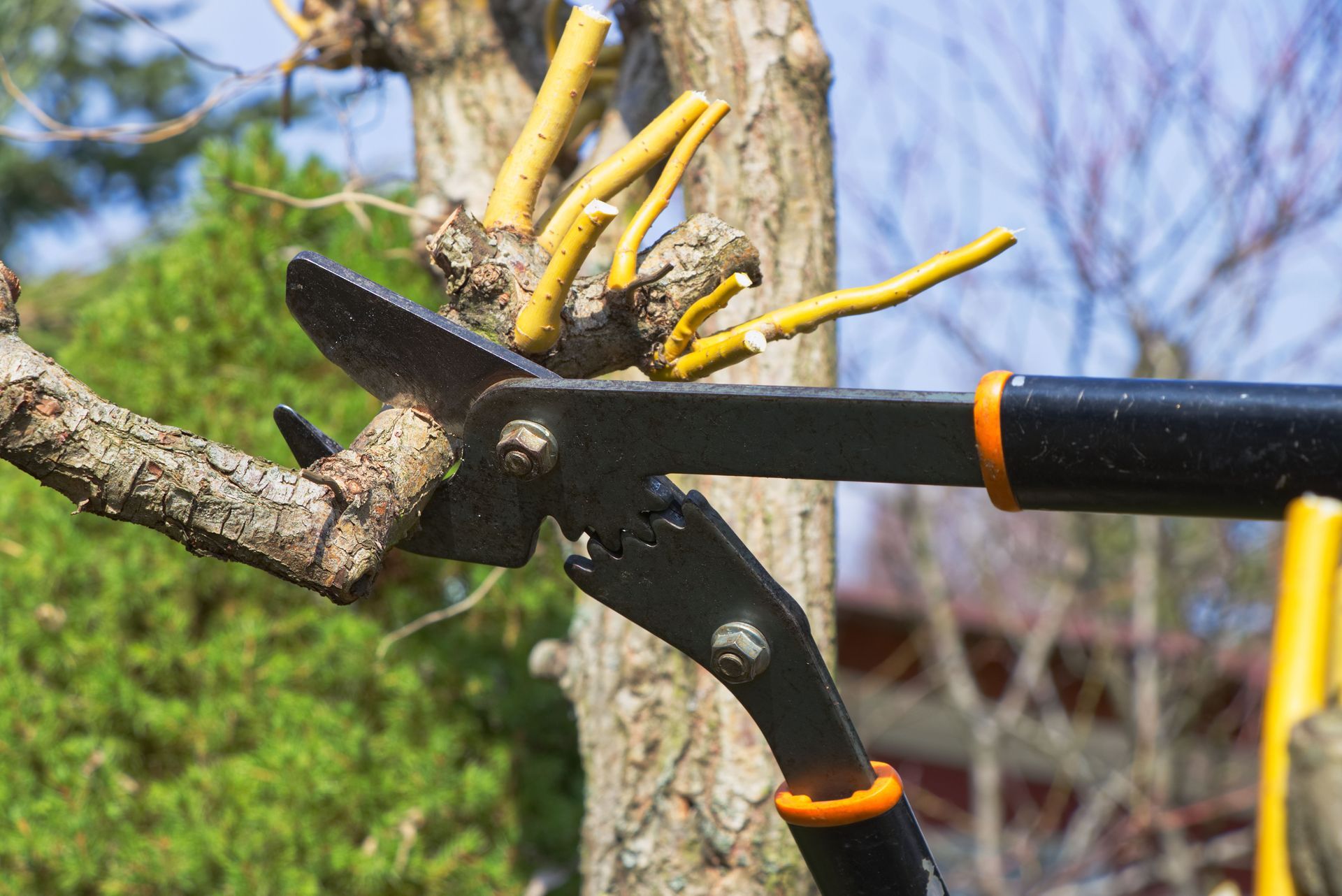
Dead, storm-damaged, or rubbing branches serve as open entry points for fungal pathogens, bacterial cankers, and wood-boring insects that can quickly weaken an entire tree. When two branches cross and rub together in the wind, friction strips away protective bark and exposes inner wood to infection that can spread down into the main trunk or jump to neighboring trees.
Early removal stalls the spread of disease across the landscape and redirects water, energy, and nutrients toward vigorous, structurally sound limbs. Investing in preventative tree pruning services strengthens overall canopy vitality, improves interior air circulation, and extends the healthy lifespan of valuable mature trees for decades.
Proactive tree care protects every corner of your property, from overhead utility clearances and roof shingles down to fences, foundations, and sun-dappled lawns. Consistent seasonal maintenance prevents hazardous storm breakage, curbs pest and moisture damage, and keeps your landscape thriving and attractive for decades. To protect your home and keep your trees healthy year-round, schedule your next consultation with TreeWorks today.